Why Mercury Works for International Consultants and Freelancers
When clients form a US LLC from abroad, banking is often the part they expect to be difficult. Traditional banks want you to walk into a branch. The big names assume you're already in the country. And international wire fees make moving money painful.
Mercury solves that problem. Here's what works for non-resident LLC owners providing consulting and digital services.
The Setup
Mercury is a financial technology company that partners with FDIC-insured banks (Choice Financial Group and Column N.A.) to offer business banking. You get checking and savings accounts, physical and virtual debit cards, ACH transfers, and domestic and international wires.
The interface is modern. The dashboard actually makes sense. If you've dealt with traditional bank websites that look like they were built in 2003, this alone is a relief.
No monthly fees. No minimum balances. No per-transaction fees for standard operations. For a small LLC providing services, the free tier covers everything.
Why It Works for Remote Service Providers
We've helped people open accounts without visiting the United States. Formation documents, EIN, passport, and some basic information about the business. The process typically takes about a week. No branch appointment, no notarized documents, no waiting for someone in a physical office to review the file.
Once the account was open, they had US payment rails. ACH transfers from American clients land without international wire fees. Paying US vendors is straightforward. Holding USD without constant conversion means you're not losing money every time funds move.
For consultants, freelancers, and digital service providers invoicing US companies, this is exactly what you need.
The Ideal Use Case: Contract Work and Consulting
Mercury is well suited for international entrepreneurs providing services to US clients through a US LLC. The structure makes sense from a compliance perspective, and the banking relationship is straightforward.
If you're doing contract work, consulting, or providing digital services, your income sources are easy to document. Invoices clearly describe the work performed. Contracts with US companies establish the business relationship. Job descriptions and scope of work documents create a clear paper trail.
This kind of clean, documented business activity is exactly what fintech compliance teams like to see. There's no ambiguity about where the money comes from or what it's for.
Platforms like Upwork are particularly compliance-friendly. The income is easily identifiable - Upwork provides clear records of contracts, payments, and work performed. If you're receiving payments from Upwork into your Mercury account, the source is recognized and legitimate. Same goes for other established freelance platforms.
The setup works well: a US company pays your US LLC for services rendered, and you're the foreign beneficial owner operating the business remotely. It's a legitimate structure that Mercury understands and supports.
What Clients Actually Use
The debit card works internationally. Clients have used it in Mexico and Colombia without issues. There's a foreign transaction fee for non-USD purchases, but the card itself functions fine outside the US.
Virtual cards are useful for subscriptions and online payments. You can generate a new card number for specific vendors, which helps with tracking and security.
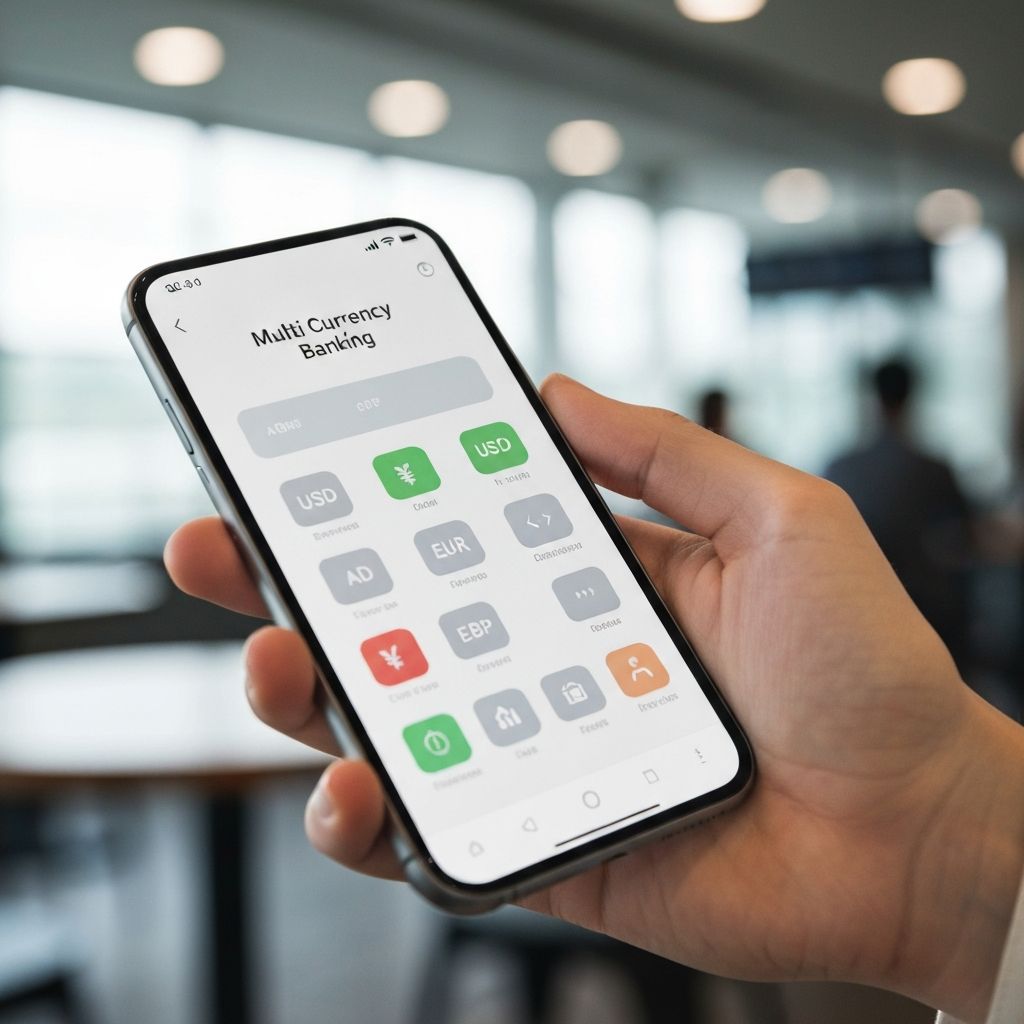
The mobile app does what you'd expect. Check balances, move money, approve transactions. Nothing fancy, but it works reliably.
Bill pay and invoicing exist if you need them. Many handle invoicing separately, but for someone who wants everything in one place, the option is there.
The International Founder Question
Mercury's documentation says they welcome international founders. In their own words:
"You don't need to live in the U.S. or be a citizen yourself - we're happy to accept international founders (with the exception of founders residing in countries prohibited by our banking partners)."
You should familiarize yourself with their list of prohibited countries before applying. Your company needs to be registered in the United States, you need an EIN, and you need to provide information about your business and its owners.
Take someone we advised recently: Canadian citizen, based in Mexico, Wyoming LLC for consulting work. They were upfront about everything in their application. The account opened without drama.
What helped: the business model was clear. Consulting services to US clients. Invoices and contracts documenting the work. Income sources that made sense. When your business activity is clean and documented, the process tends to go smoothly.
What Mercury Does Well
Built for service businesses.Built for service businesses. Consulting, freelancing, digital services, contract work - these are exactly the kinds of businesses Mercury was designed to serve. The banking features match what service providers actually need.
No fee bleed.No fee bleed. You're not paying $15 a month just to have an account, plus transaction fees, plus wire fees, plus whatever else traditional banks tack on. For a small operation, those fees add up fast. Mercury doesn't nickel and dime you.
Modern experience.Modern experience. The interface works. Transfers happen quickly. Information is where you expect it to be. This sounds like a low bar, but anyone who's dealt with legacy bank systems knows it isn't.
Remote-first design.Remote-first design. Everything you need to do, you can do from your laptop. No branch visits, no phone calls during US business hours, no mailing physical documents. For someone operating from a different time zone, this matters.
US payment rails.US payment rails. Receiving USD from US clients via ACH is seamless. Whether payments come directly from clients or through platforms like Upwork, the money lands cleanly.
What It's Not
Mercury is business banking for startups and small companies. It's not a wealth management platform. It's not a trading account. It's not trying to be your everything financial product.
If you need complex treasury management, multiple entity structures, or high-touch relationship banking, Mercury probably isn't the right fit. For a straightforward LLC providing services and receiving payments, it does the job well.
Mercury also doesn't do cash deposits. If your business involves physical cash, you'll need a different solution.
Making It Work
The key to a smooth Mercury experience is having a business that makes sense on paper.
Document your work. Keep invoices that clearly describe services provided. Have contracts with your clients, especially US-based ones. If you're using platforms like Upwork or similar, those records are built in.
Be straightforward about your setup. You're a foreign beneficial owner of a US LLC providing services. That's a normal, legitimate business structure. Present it clearly.
Keep your activity consistent. Regular payments from identifiable clients for documented services. This is what clean business banking looks like.
The Bigger Picture
Before Mercury, options for non-resident LLC owners were limited. Traditional US banks wanted you to visit in person. International banks didn't offer USD accounts with US payment rails. The workarounds were complicated and expensive.
Mercury gives you a functional US business bank account that fits how remote service providers actually work. Consulting contracts come in, payments arrive via ACH, and you manage everything from wherever you happen to be. The fees are minimal. The experience is what modern banking should feel like.
For international consultants, freelancers, and digital service providers with a US LLC, Mercury is worth considering. It's not perfect for every situation, but for service-based businesses with clean, documented income, it solves a real problem.
*This article reflects client experience as of February 2026. Banking policies and requirements change. Do your own research and consult professionals for your specific situation.*